







Understanding Sports Broadcasting
What is Sports Broadcasting?
Sports Broadcasting refers to the distribution of sports-related content via radio, television, or the internet. It encompasses everything from live game coverage to commentary, analysis, and special features. An integral part of the sports industry, Sports Broadcasting not only serves the purpose of entertainment but also plays a pivotal role in the commercialization and promotion of sports. Through its diverse formats, sports broadcasting connects fans to their favorite teams and athletes, while offering sponsors and advertisers ample opportunities to reach engaged audiences.
History and Evolution of Sports Broadcasting
The history of sports broadcasting can be traced back to the early 20th century when radio became a popular medium for transmitting live sports events. The first significant sports broadcast occurred in 1921, featuring a boxing match between two well-known contenders. This novelty entered a new era with the advent of television in the 1950s, transforming how viewers experienced sports. Major television networks began airing games, establishing broadcasting schedules and introducing ratings systems. Over the decades, technological advancements, such as instant replay, satellite broadcasts, and high-definition viewing, further enriched the viewer experience. Today, the evolution of digital media and social platforms continues to revolutionize how fans consume sports content.
Key Figures in the Industry
Every notable transformation in sports broadcasting can be linked to key figures who have greatly influenced the industry. Innovators like Jim McKay, who reported on events like the Munich Olympics, set high standards for journalism. Sportscasters like Howard Cosell left indelible marks with their unique broadcasting styles, which shaped the way sports commentary is presented. The advent of modern platforms has seen the emergence of influential sports analysts and hosts who leverage social media to foster connectivity with fans, emphasizing that every voice within the industry can impact its evolution.
Essential Tools for Sports Broadcasting
Cameras and Equipment
The backbone of quality sports broadcasting resides in its physical equipment. High-definition cameras capture the dynamic action of sporting events, with multiple angles to enhance the storytelling. Advanced slow-motion and 4K technology not only improve viewer engagement but also offer analysts and commentators the chance to break down critical plays. Additional equipment, such as drones for aerial shots and stabilizing equipment for ground coverage, further ensures that broadcasts remain immersive and visually appealing.
Software for Live Broadcasting
Live broadcasting requires robust software solutions that can handle audio, video streaming, and real-time data integration. Applications like OBS Studio or vMix allow broadcasters to produce professional-quality streams, incorporating graphics, multiple camera feeds, and smooth transitions. Furthermore, analytics software helps broadcasters gauge audience interaction and tailor content to improve engagement. This tech synergy enhances the overall quality of sports broadcasts, providing a seamless viewer experience.
Broadcast Studios Requirements
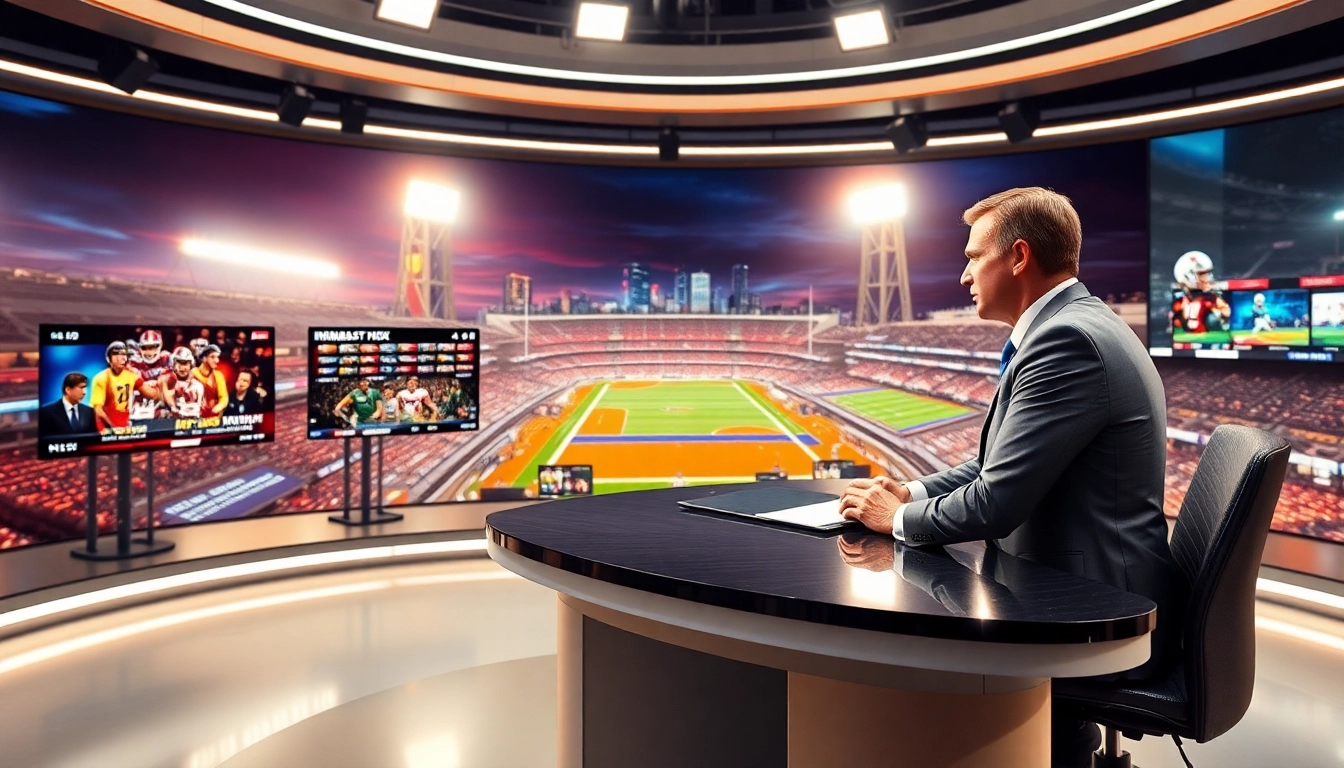
The design and functionality of broadcast studios are essential to effective sports broadcasting. Studios must be equipped with sufficient space for live cameras, lighting, sound equipment, and control rooms. The layout should facilitate fluid interaction between anchors and guests while accommodating large screens for replay and analysis. Acoustic treatment becomes critical to ensure clear audio quality. Investing in top-notch equipment and designing efficient workspaces allows broadcasters to deliver high-quality programming consistently.
Techniques for Effective Sports Broadcasting
Anchoring and Presentation Skills
Successful sports broadcasting hinges on the abilities of anchors to present information engagingly and informatively. Anchors must possess strong verbal and non-verbal communication skills, making them relatable to a diverse audience. Developing a distinct on-air personality—combined with the ability to think quickly and adapt to unforeseen circumstances—sets top broadcasters apart. Practicing delivery and style, while staying authentic, creates a captivating viewing experience.
Interviews and Guest Management
Interviews are a crucial component of sports broadcasting, providing insights not only on events but also on the people involved. Effective interview techniques involve preparing questions that prompt thoughtful responses, creating a dialogue rather than a Q&A session. Broadcasters should build rapport with their guests to foster comfortable conversations. Mastering this art enriches programming and offers viewers deeper understanding and connection with athletes and coaches.
Storytelling in Sports Coverage
Sports coverage is much more than just reporting scores; it’s about telling compelling stories. Broadcasters can enhance their narratives by incorporating the backstories of athletes and teams, exploring rivalries, and highlighting defining moments. Expert storytelling captivates audiences and fosters emotional connections, making them invested in the outcomes of events. Combining statistics with narrative techniques elevates the broadcast from mere updates to memorable experiences.
Trends Shaping Sports Broadcasting
Impact of Digital Streaming Services
The rise of digital streaming services has redefined how fans access sports content. Platforms like streaming services allow viewers to watch games live, providing greater flexibility and convenience. This shift has forced traditional broadcasters to adapt, often developing their streaming solutions to capture online audiences. As streaming continues to grow, sports broadcasting must evolve, creating exclusive content and innovative formats to keep viewers engaged.
Role of Social Media in Sports Broadcasting
Social media has transformed fan engagement, allowing for real-time interaction during broadcasts. Platforms like Twitter and Instagram facilitate immediate reactions and conversations about games, while also providing teams and broadcasters with invaluable feedback. These interactions help shape content and foster community. Embracing social media as part of the broadcasting landscape enriches the sports experience and keeps fans informed and entertained.
Future Innovations in Broadcasting Technology
Future advancements in broadcasting technology promise to enhance the sports viewing experience further. Innovations such as augmented and virtual reality offer immersive experiences, allowing fans to engage with events uniquely. Additionally, artificial intelligence could streamline production processes and enhance analytical capabilities. As technology continues to progress, embracing these innovations will be essential for maintaining relevance in the competitive sports broadcasting landscape.
Measuring Success in Sports Broadcasting
Viewership Metrics and Analysis
Measuring the success of sports broadcasts relies heavily on viewership metrics. Key performance indicators (KPIs) include ratings, audience demographics, and overall reach. Analyzing these metrics enables broadcasters to gauge their impact and adjust strategies accordingly. Understanding what resonates with the audience helps optimize future broadcasts, ensuring content aligns with viewer expectations and interests.
Engagement on Multiple Platforms
With sports content available across various platforms, measuring engagement becomes crucial. Metrics such as shares, likes, comments, and interactive polls provide valuable insights into audience interest. Successful broadcasters cultivate a presence on multiple platforms, encouraging multi-channel engagement that enhances viewership experiences. Fostering community through engagement helps attract and retain viewers.
Revenue Streams and Sponsorship Insights
Revenue generation forms a core component of the sports broadcasting ecosystem. Understanding diverse revenue streams, including advertising, subscriptions, and sponsorships, is necessary for sustainable success. Insights into audience patterns attract lucrative sponsorships, while strong viewership data enhances appeal to advertisers. Balancing revenue needs with audience satisfaction ensures the longevity of broadcasting success.
FAQs
What is the significance of sports broadcasting?
Sports broadcasting is crucial as it connects fans to their favorite events, players, and teams, enhances viewer experience, and helps monetize sports through advertising and sponsorships.
How has technology changed sports broadcasting?
Technology has improved sports broadcasting through high-definition cameras, instant replays, augmented reality, and online streaming, enhancing viewer engagement and content accessibility.
What are the key skills required for sports broadcasters?
Key skills include strong communication, quick thinking, the ability to connect with guests, storytelling, and knowledge of sports to enhance the presentation.
How do broadcasters measure success?
Success is measured through viewership metrics, audience engagement across platforms, and revenue streams from advertisements and sponsorships.
What trends are currently impacting sports broadcasting?
Current trends include the rise of digital streaming services, the influence of social media on fan engagement, and ongoing technological innovations affecting broadcast quality.