






Understanding Window Tint: What You Need to Know
What is Window Tinting?
Window tinting is the process of applying a thin polyester film to the glass surfaces of vehicles, homes, and commercial buildings. This film, varying in thickness and darkness, serves multiple purposes ranging from aesthetic appeal to functionality. By reducing glare and regulating indoor temperatures, window tinting has become an increasingly popular choice among vehicle owners and homeowners alike.
Benefits of Window Tint
Choosing to tint your windows comes with an array of benefits that enhance comfort, safety, and the longevity of your investment. Key advantages include:
- UV Protection: Window tint can block up to 99% of harmful ultraviolet rays, safeguarding your skin and preventing your car’s interior from fading.
- Enhanced Privacy: Tinted windows provide privacy from prying eyes, creating a sense of security for occupants.
- Heat Reduction: Tints reduce heat buildup inside vehicles or rooms, contributing to a more comfortable atmosphere.
- Improved Aesthetics: Aesthetic appeal can be enhanced with various tint shades, giving a sleek look to vehicles and properties.
- Safety: In the event of an accident, window film helps keep shattered glass intact, providing an additional layer of safety.
Types of Window Tint Films
Various types of window tint films exist, each designed for specific applications and preferences. The primary types include:
- Dyed Window Tint: This is a cost-effective option that absorbs heat and offers basic UV protection.
- Metalized Window Tint: This type contains metal particles that reflect heat while adding durability and shatter resistance.
- Ceramic Window Tint: Offering high performance in UV blocking and heat rejection without interfering with GPS and mobile signals, this premium option is favored for its durability.
- Reflective Window Tint: This type incorporates a reflective surface that mirrors sunlight, providing privacy during the day and reducing glare efficiently.
Finding Window Tint Near Me: A Guide
Researching Local Options
To find reliable window tinting services, start by researching local options. A simple search for window tint near me can yield numerous results. Explore the websites of local businesses and check their service offerings, certifications, and samples of past work to gauge their reliability.
Reviews and Recommendations
Leveraging customer reviews and personal recommendations can significantly help in selecting a quality tinting service. Websites like Google Reviews, Yelp, and social media platforms offer insights into customer experiences. Seek out both positive feedback and constructive criticism to form a well-rounded view of potential service providers.
Cost Considerations
When budgeting for window tinting, consider not just the upfront costs of the materials and installation but also the long-term benefits of energy savings and UV protection. Prices can range based on factors such as the type of film chosen, the size of the vehicle or property being tinted, and local labor rates. It’s advisable to obtain quotes from multiple contractors to ensure a competitive price.
Window Tint Installation Process
Preparation Steps
The first step in installation is proper preparation. This includes cleaning the windows meticulously to remove any dirt, debris, or old adhesive remnants. A clear and clean surface ensures better adhesion of the tint film. It’s also important to plan the timing of installation, preferably on a dry day to avoid moisture interference.
Installation Techniques
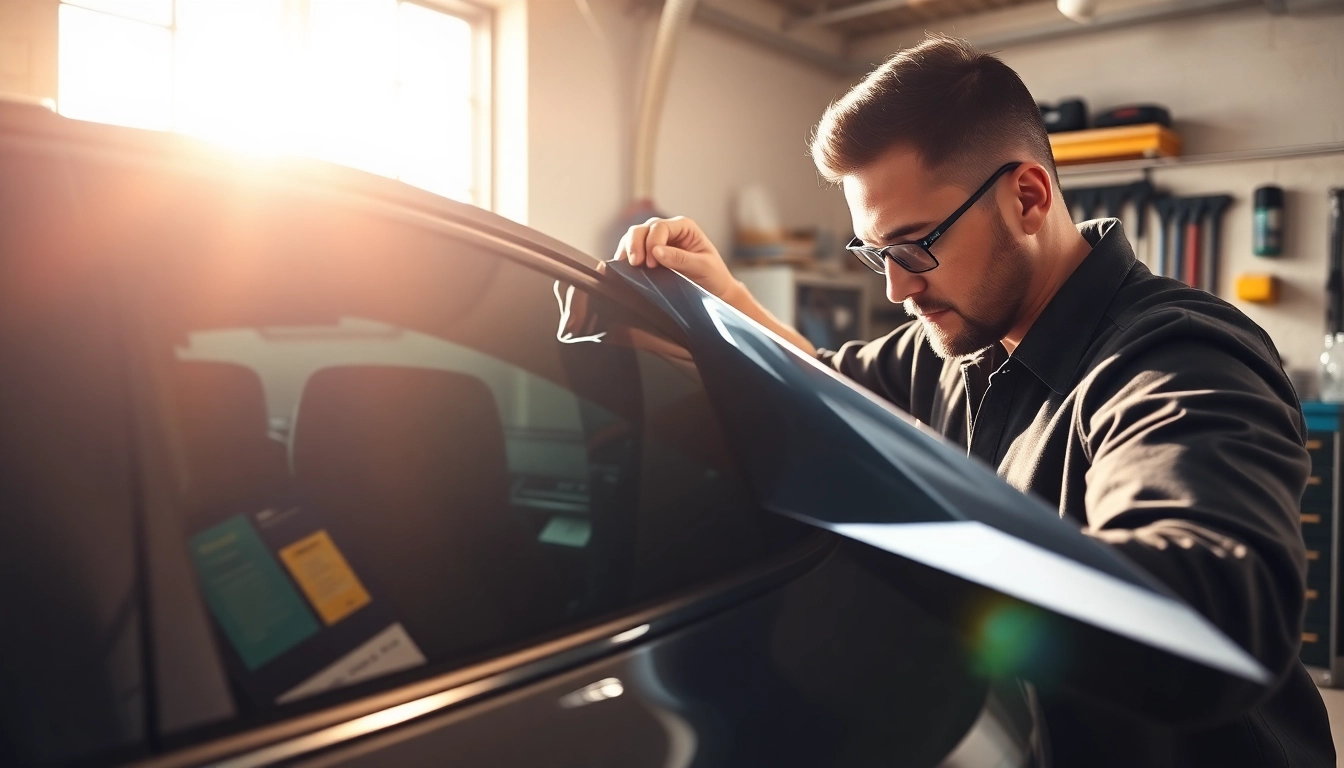
There are several installation techniques, depending on the type of film and the vehicle or window shape. The most common technique involves cutting the film to size, applying a special solution on the window, and carefully laying the film. It’s crucial to handle the film without creating bubbles or creases, as these can affect both appearance and performance.
Post-Installation Care
After installation, it’s vital to follow specific care instructions to maintain the integrity of the tint. This typically includes avoiding cleaning the tinted windows with ammonia-based cleaners, refraining from rolling down windows for several days, and utilizing a soft cloth for cleaning. Following these practices ensures the longevity of the tint and keeps it looking crisp and new.
Legal Aspects of Window Tinting
Understanding Local Regulations
Each state or locality has distinct laws governing window tinting, primarily aimed at ensuring safety and visibility. Researching local regulations is crucial before installation to avoid potential fines or legal issues. Many jurisdictions specify allowable tint percentages and where tint can be applied, especially regarding front windshields versus side and rear windows.
Legal Tint Levels
Legal tint levels refer to the percentages of visible light transmission (VLT) allowed. Typically, the lower the VLT percentage, the darker the tint. For instance, some locations permit a VLT of 20% or less for passenger windows but mandate a higher percentage for the front windshield. Always refer to local vehicle codes for specific requirements before proceeding.
Consequences of Non-Compliance
Non-compliance can lead to various penalties, including fines or mandates to remove the tint. In severe cases, repeated offenses may result in points on a driver’s license or even vehicle impoundment. Ensuring adherence to local regulations not only prevents financial expenses but also enhances the safety and legality of your vehicle.
Frequently Asked Questions About Window Tint
How long does window tint last?
Window tint can last anywhere from 5 to 15 years, depending on the type of film used and the care taken post-installation. Premium films tend to have longer lifespans.
Can I apply window tint myself?
While DIY window tinting kits are available, professional installation is recommended to avoid bubbles and misalignment. Proper techniques can greatly enhance durability and appearance.
What are the benefits of ceramic window tint?
Ceramic window tint offers superior heat rejection, UV protection, and does not interfere with electronic signals, making it ideal for both vehicles and homes.
Is window tint effective in blocking UV rays?
Yes, high-quality window tint can block up to 99% of UVA and UVB rays, protecting occupants from harmful sun exposure and reducing the risk of skin damage.
How can I remove old window tint?
Old window tint can be removed by heating the film with a heat gun or hair dryer to loosen the adhesive. Carefully peel it away, and any residual glue can be cleaned with a solvent.