Understanding Window Tinting: What You Need to Know
The Basics of Window Tinting
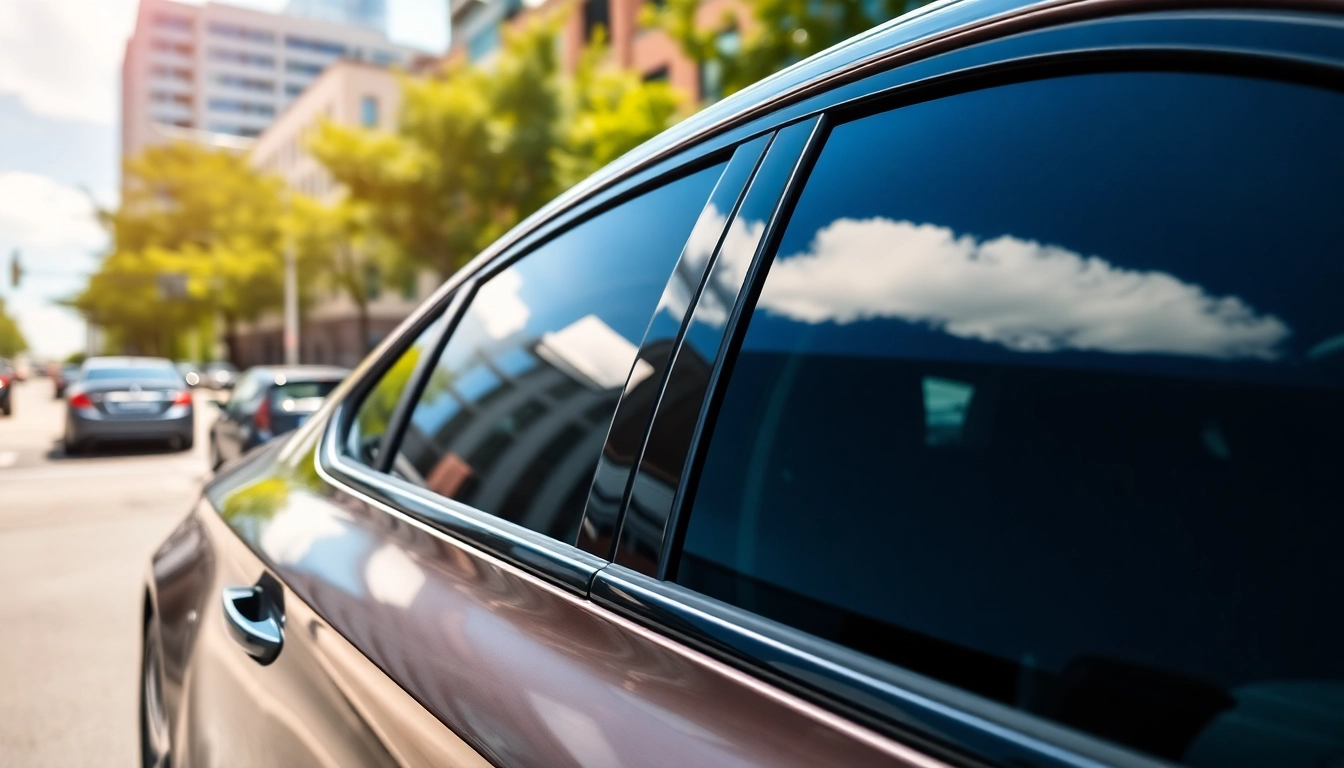
Window tinting involves applying a thin film to the glass of your vehicle or home, which alters the optical and thermal properties of the glass. This film comes in various shades and types, providing a range of benefits that enhance comfort, privacy, and aesthetics. The process of tinting isn’t merely cosmetic; it serves practical purposes, including UV protection, glare reduction, and thermal regulation, creating a more enjoyable driving experience.
Benefits of Using the Best Window Tint Chattanooga TN
Opting for the best window tint Chattanooga TN brings numerous advantages. Firstly, tinted windows can block up to 99% of harmful UV rays, significantly reducing the risk of skin cancer and protecting your car's interior from fading. Additionally, it enhances privacy for passengers and belongings and improves the vehicle's overall energy efficiency by reducing heat buildup. Moreover, window tinting helps to decrease glare, making driving safer, especially during bright sunny days.
Types of Window Tint and Their Uses
There are various types of window tint, each serving specific purposes. Typically, window tints are categorized into three main types:
- Dyed Window Film: This is one of the most basic forms of tint and primarily provides privacy and aesthetic appeal.
- Metalized Window Film: It contains metal particles, offering better heat rejection and durability than dyed films.
- Ceramic Window Film: Known for its advanced technology, this type blocks UV rays and infrared heat without obstructing visibility.
Choosing the Right Window Tint for Your Vehicle
Factors to Consider When Selecting Window Tint
When choosing the right window tint, several factors come into play:
- Climate: Consider a film that offers excellent heat rejection to keep your vehicle cooler in warmer climates.
- Legal Regulations: Different states have specific laws regarding the allowable level of tint darkness and reflectivity.
- Purpose: Determine whether you want the tint primarily for privacy, aesthetic appeal, or protection from UV rays.
How to Match Tint with Your Car's Aesthetic
Matching tint with your vehicle's aesthetic can greatly enhance its look. Dark tints often give a sleek, modern appearance, while lighter films can maintain a more classic look. Consider your vehicle's color and style when selecting a shade to ensure harmony between the tint and the exterior design. Seeking professional advice can help achieve a cohesive look while adhering to regulations.
Legal Guidelines for Window Tint in Tennessee
Tennessee has specific laws governing window tinting that you must adhere to. For instance, front windshields must allow over 70% of light in, while the front side windows can have a maximum visible light transmission of 35% and the back side and rear windows can be tinted to any level. Understanding these laws is essential to avoid fines and ensure compliance when choosing your windows' tint.
Installation Process for Professional Window Tinting
Steps Involved in Applying Window Tint
Professional installation typically follows a series of steps:
- Preparation: The vehicle's windows are thoroughly cleaned to eliminate dust, dirt, and debris.
- Film Cutting: The tint film is then accurately cut to fit the specific windows of the vehicle.
- Application: After ensuring the window is clean, the film is applied using a specialized solution to adhere it correctly.
- Trimming: Any excess film is trimmed to ensure a perfect fit.
- Drying: The film is then left to cure, ensuring it adheres properly and minimizing bubbles.
What to Expect During the Installation
During installation, expect some noise and the presence of trained professionals handling the process. The entire process can take anywhere from a couple of hours to a full day, depending on the number of windows being tinted. A good tinting company will take precautions to protect your vehicle and ensure the job is done efficiently.
Common Mistakes to Avoid During Application
Common mistakes during tint application include using poor quality film that can degrade quickly or applying the tint improperly, leading to bubbles and peeling. It's essential to hire experienced professionals who use high-quality materials to ensure a durable finish that lasts.
Maintenance and Care for Tinted Windows
Cleaning Tips for Tinted Windows
Once tinted, it's crucial to maintain the windows properly. Use a soft, microfiber cloth when cleaning to avoid scratching the film. Mild soap mixed with water can be effective, but avoid ammonia-based cleaners as they can damage the film. It’s recommended to wait at least 30 days after installation for the window to cure before cleaning.
Signs That Your Tint Needs to be Replaced
Signs that your tint needs replacement include bubbles or peeling edges, discoloration, or inconsistencies in visibility. If the film is inhibiting your view or looks unappealing, it may be time for a replacement to ensure safety and aesthetic value.
How to Maximize the Lifespan of Your Tint
To maximize the lifespan of your window tint, avoid rolling down your windows for at least a few days post-application to allow proper adhesion. Regular, gentle cleaning helps maintain clarity, while avoiding extreme temperatures can prevent warping and damage to the film.
Frequently Asked Questions About Window Tinting
What are the advantages of window tinting?
Window tinting provides UV protection, reduces glare, enhances privacy, and improves energy efficiency by regulating interior temperature.
Is window tint legal in Chattanooga TN?
Yes, but there are specific regulations regarding the allowable tint darkness and reflectivity. It’s essential to adhere to state laws.
How long does window tint last?
Quality window tint can last anywhere from five to ten years, depending on maintenance and environmental conditions.
Can I apply window tint myself?
While DIY tint kits are available, professional installation is recommended for better results and durability, avoiding common mistakes.
What are the different types of window tint?
The main types of window tint are dyed, metalized, and ceramic films, each offering different benefits in terms of heat rejection and aesthetics.